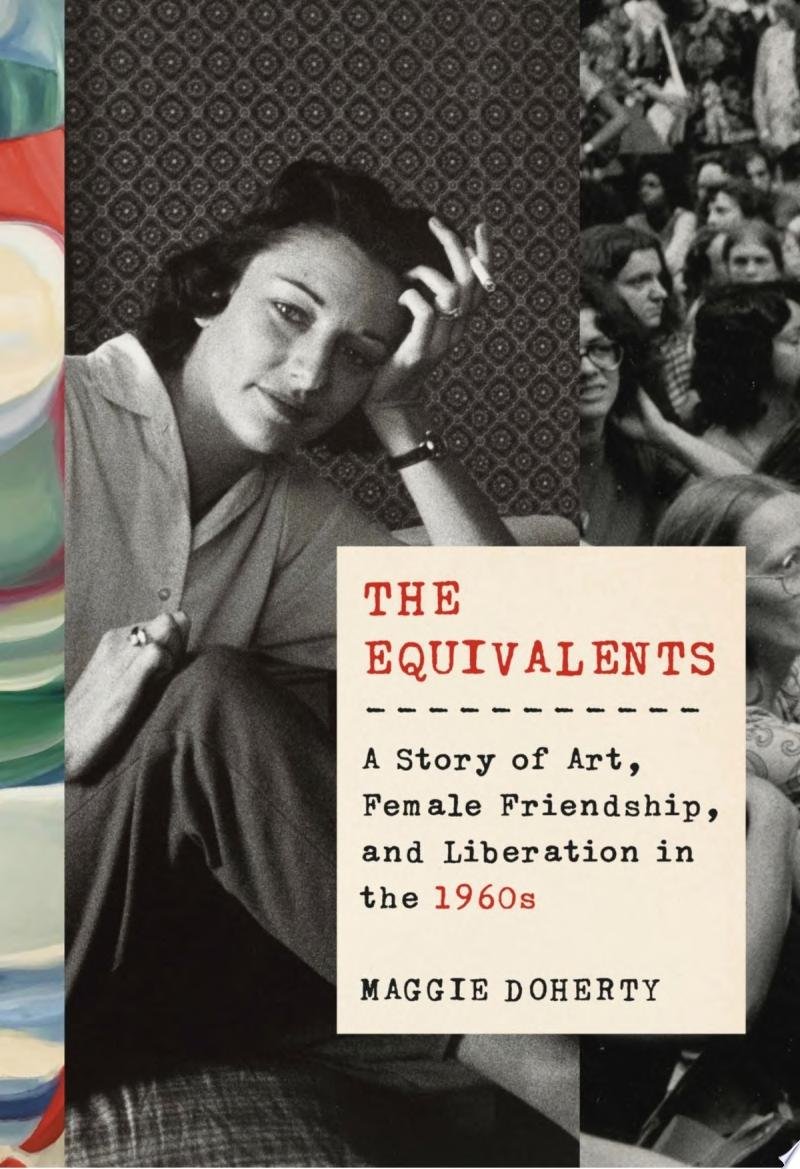
In 1960, Radcliffe College announced the founding of an Institute for Independent Study, offering fellowships to women with a PhD or 'the equivalent' in artistic success. Doherty follows poets Anne Sexton and Maxine Kumin, painter Barbara Swan, sculptor Mariana Pineda, and writer Tillie Olsen as they navigate the Institute, friendship, and the fraught path of art-making in a man's world.
What The Reviewers Say
Ruth Franklin,
Harpers
... electricity is palpable in Doherty’s pages. I have rarely, if ever, read a work of non-fiction that chronicled relationships like these, with women in conversation about everything except men. Even Sylvia Plath appears without Ted Hughes, befriending Sexton at a poetry seminar in Boston. There were moments when I wanted to know more about the rest of their lives—the troubles in Sexton’s marriage, including her multiple affairs, are mentioned only in passing. But I understood, also, why Doherty focuses so tightly on the Institute. Her book is a love story about art and female friendship.
Claire Messud,
The New York Times Book Review
... [an] engaging work of cultural biography.
Margaret Atwood,
The Globe and Mail (CAN)
The book reads like a novel, and an intense one at that.
Daphne Merkin,
New York Review of Books
Doherty focuses on five women: three writers, Kumin, Sexton, and Tillie Olsen; the painter Barbara Swan, who specialized in expressionist portraits dense with texture and emotions; and the sculptor Marianna Pineda, a Brookline mother of three who longed for recognition from an artistic community.