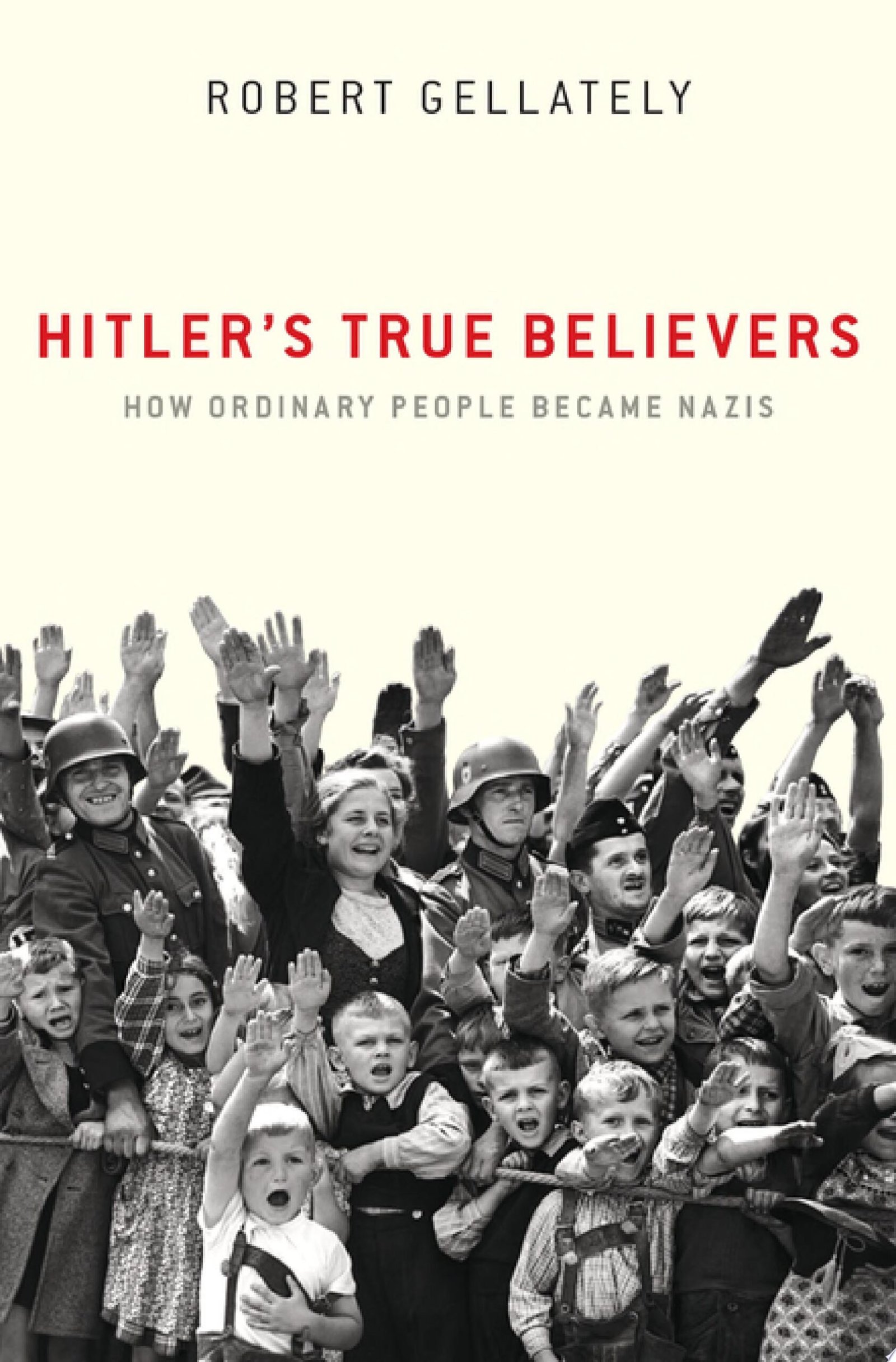
A history professor argues that Hitler was not the originator of his hateful ideology but rather a representative figure for ideas, emotions, and aims that he shared with thousands, and eventually millions, of Germans who were of like mind. They projected onto Hitler the properties of the 'necessary leader,' a commanding figure at the head of a uniformed corps that would rally the masses and storm the barricades.
What The Reviewers Say
Eileen Gonzalez,
Foreword Reviews
Gellately challenges the notion that Hitler’s charisma alone was sufficient to win public support. Rather, he offers ample evidence that Hitler’s success stemmed from his ability to tap into existing resentments, fears, and biases. He draws on a wide range of sources, including diaries, memoirs, and historical documents, to show that ordinary Germans, even non-Nazis, were swayed by the creation of social programs and the easy reclamation of lands lost in World War I. Gellately’s study is a thorough treatment of an intellectually and emotionally difficult subject, as well as a sobering reminder of people’s willingness to forget that their fellow human beings are, in fact, human. Hitler’s True Believers sheds light on one of the twentieth century’s most puzzling yet crucial questions..
Andrew Stuttaford,
The Wall Street Journal
In an intriguing passage, Mr. Gellately argues that the movement’s early followers were not 'converted' by Hitler. Rather, his party was a vehicle for crystallizing what they, in large part, already thought. In many respects this anticipated the way that less politically conscious Germans would eventually succumb to Hitler.
Kirkus
It’s tempting to draw parallels between the Hitler era and the present age of ascendant nationalism, and Gellately...offers reasons to do so.




 17
17