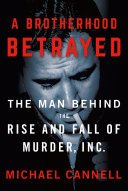
In the fall of 1941, a momentous trial was underway that threatened to end the careers and lives of New York's most brutal mob kingpins. The lead witness, Abe Reles, had been a trusted executioner for Murder, Inc., the enforcement arm of a coast-to-coast mob network known as the Commission. Michael Cannell's A Brotherhood Betrayed traces the history of Murder, Inc. through Reles' rise from street punk to murder chieftain to stool pigeon, ending with his fateful death on a Coney Island rooftop.
What The Reviewers Say
Marco della Cava,
USA Today
A book that can whisk you away to another world – even the Mob underworld – has pronounced value in apocalyptic times marked by a global pandemic, unprecedented wildfires and menacing hurricanes. Author Michael Cannell provides just such an escapist passport in his riveting true-crime gangster tale, A Brotherhood Betrayed: The Man Behind the Rise and Fall of Murder, Inc..
Judith Reveal,
New York Journal of Books
Lucky Luciano, Al Capone, Bugsy Siegel, and a multitude of other criminal names are often recognized before the names are even spoken. But what about Abe 'Kid Twist' Reles?.
Dean Jobb,
The Washington Independent Review of Books
Cannell takes readers along for the ride as he documents — in remarkable, often chilling detail drawn from newspapers and archival documents — Reles’ inexorable rise.
Bart Everts,
Library Journal
Cannell expertly interweaves stories of Reles and other gangsters with those of the police, prosecutors, and even Mayor Fiorello La Guardia, whose campaign promises included dismantling Murder, Inc. and prosecuting Reles and company. Reles was responsible for the shockingly cruel deaths of upward of 50 people, described in vivid detail by Cannell. Though well researched, the book suffers at times from an overuse of adjectives, perhaps mimicking the pulp true crime fashionable in the era of Murder, Inc. While it is Italian American gangsters who are most remembered today, Cannell reminds readers of an era when many other first-generation immigrants of different ethnic backgrounds found success in the underworld. His narrative serves as a who’s who of prewar Jewish assassins, although the work leans more toward titillation than social anthropology. Cannell also examines the mystery of Reles’s death, which would have long-term consequences for the district attorney who convinced Reles to turn state’s witness.




 39
 81