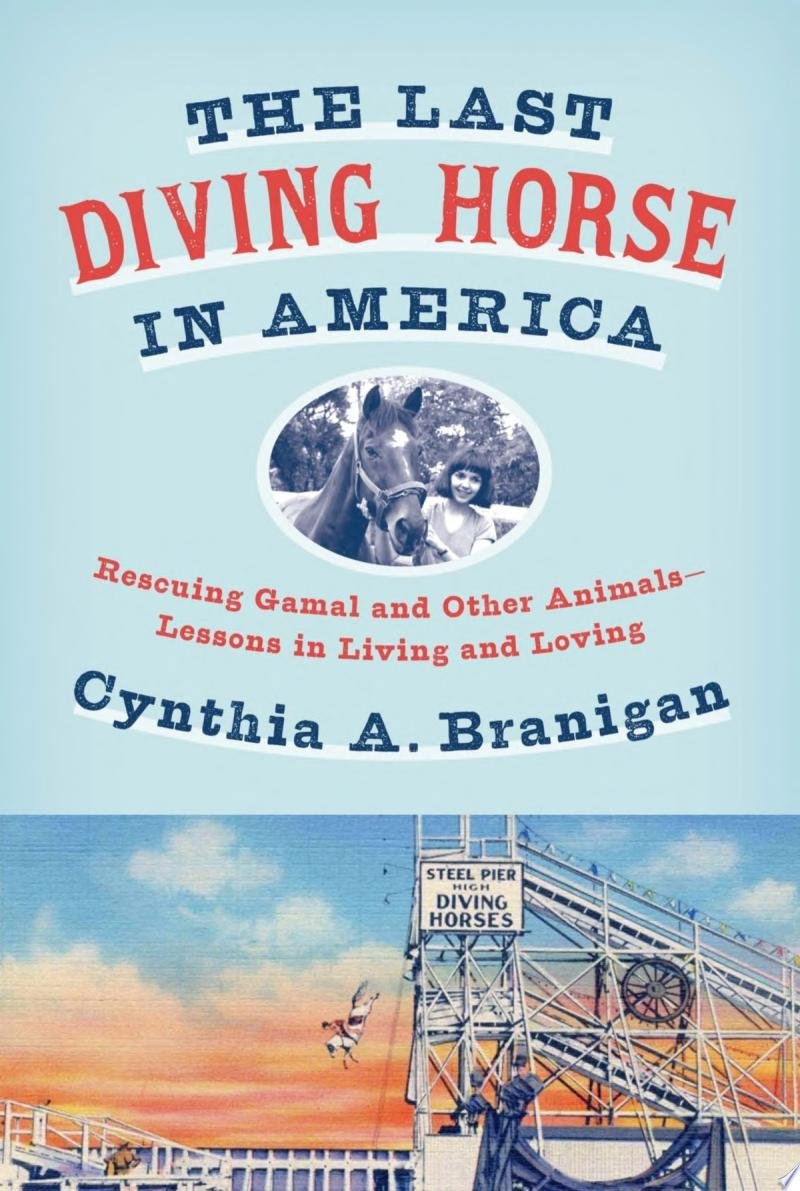
The story of how horse and animal rescuer were each profoundly transformed by the other, from the animal rescuer of retired racing greyhounds and author of Adopting the Racing Greyhound.
What The Reviewers Say
Danise Hoover,
Booklist
Parents, husbands, friends are all present here, but they take a back seat to her involvement with animals in need and her bond with Gamal. Branigan eventually established a rescue group for racing greyhounds while continuing to write and work for animal rights. Gamal died in 1989, when both he and the author were in their mid-thirties. This is an interesting look at the early animal-rights movement, and the impact that the dedication of a small group can have..
Rachel Owens,
Library Journal
In her quest to learn all she can about Gamal, Branigan uncovers the fascinating history of the diving horse attraction and its connection to Buffalo Bill Cody and meets some of the people involved. She also tells of the Fund’s efforts to rescue Grand Canyon burros and clearly illustrates the struggles and heartache involved in large animal rescue.
Publishers Weekly
... [a] moving love letter to rescued animals.
Kirkus
Unfortunately, the author’s narrative does not offer the same respect for the humans who have assisted the organization in caring for the rescued animals. When discussing the organization’s facility in Texas, Black Beauty Ranch, Branigan makes clichéd comments about the culture and accent of Texans, even though, at that point, she admittedly had not yet visited Texas or met a resident from the state. Regarding a business trip she later made to the ranch, she shares stories that focus more than necessary on the appearances of several individuals as well as innuendo regarding the actions of others. Though these details may be intended as local color to set the scene, their abundance detracts from Branigan’s message about her organization, which clearly does important work.




 37
37