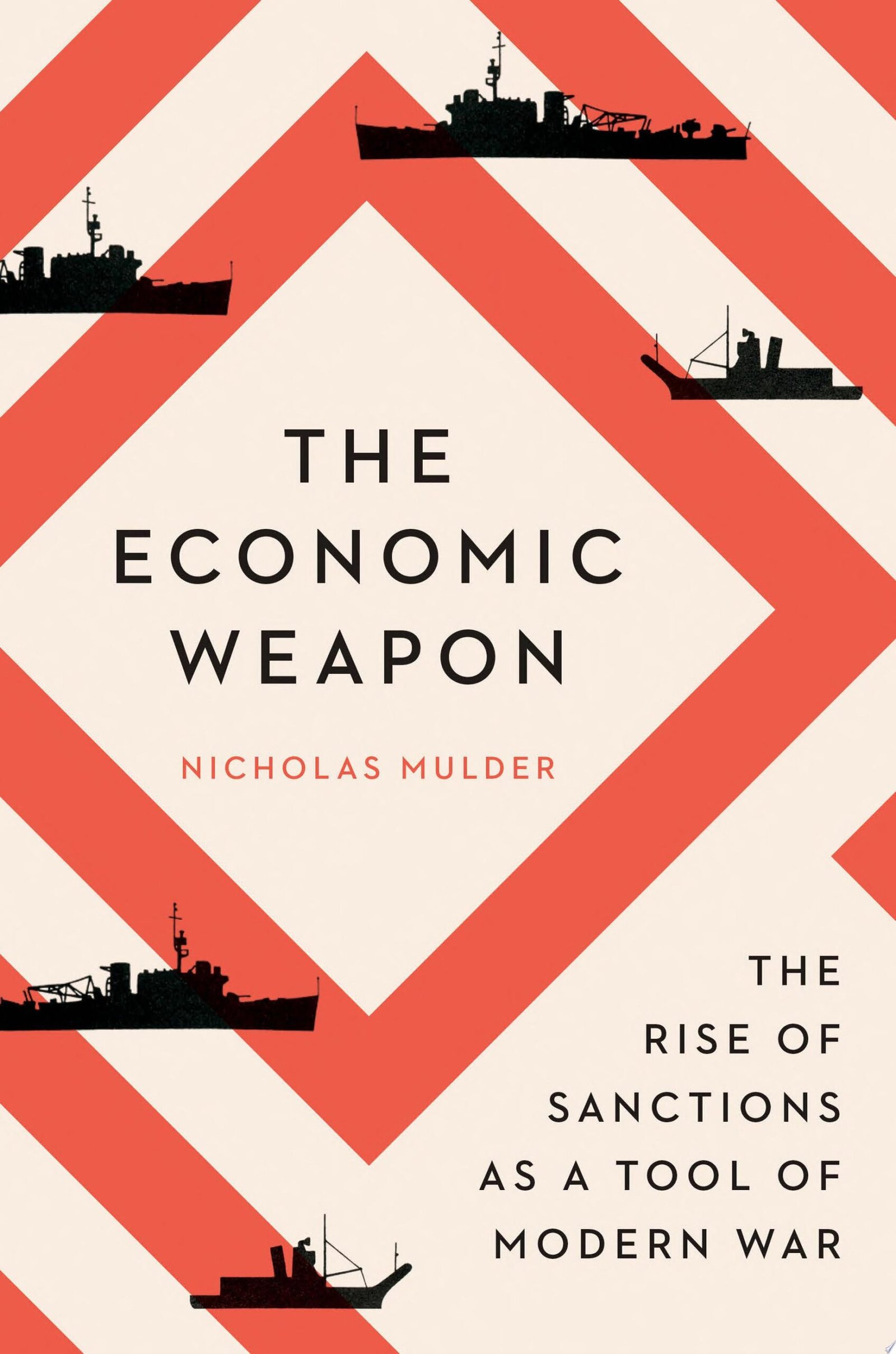
An international history of the emergence of economic sanctions during the interwar period and the legacy of this development,
What The Reviewers Say
Joshua Keating,
The Washington Post
In some ways, Mulder’s account of the origins of a damaging but often ineffective tool reads as a dark counterpoint to the more optimistic vision of this period in Oona Hathaway and Scott Shapiro’s 2017 volume, 'The Internationalists: How a Radical Plan to Outlaw War Remade the World.' Hathaway and Shapiro put forth the notion that the diplomatic groundwork laid during this period helped make interstate war far less common in the decades to come. Though the two works come to very different conclusions, taken together, both suggest that much of what we often refer to as the 'postwar international order,' for better and worse, emerged after the first rather than the second world war.
Lawrence D. Freedman,
Foreign Affairs
For those who see economic sanctions as a relatively mild way of expressing displeasure at a country’s behavior, this book, charting how they first emerged as a potential coercive instrument during the first decades of the twentieth century, will come as something of a revelation. In an original and persuasive analysis, Mulder shows how isolating aggressors from global commerce and finance was seen as an alternative to war that worked precisely because of the pain it imposed on the target society..




 17
17 99
99