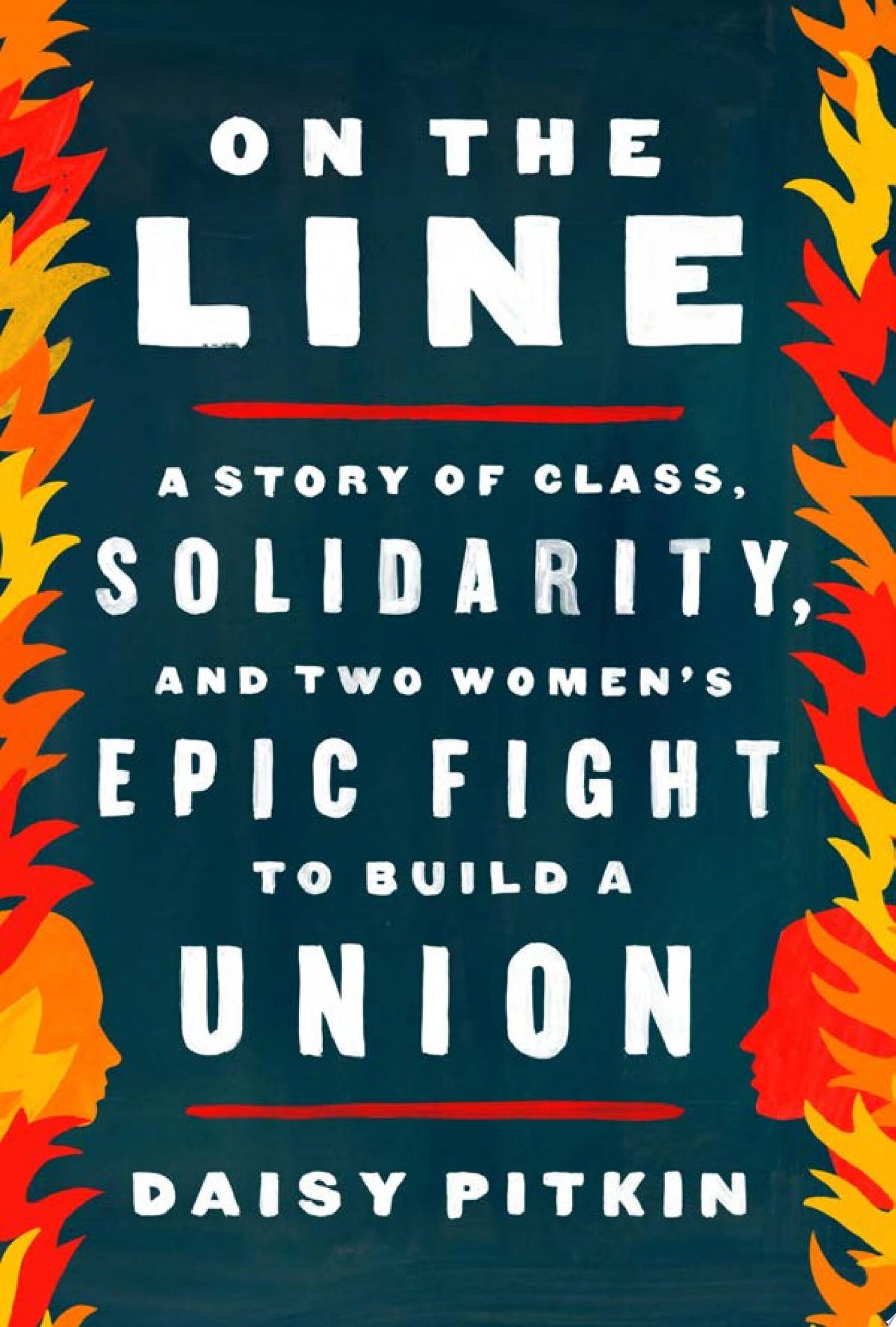
This narrative from union organizer Daisy Pitkin takes readers inside a bold five-year campaign to bring a union to the dangerous industrial laundry factories of Phoenix, Arizona. It is addressed directly to Alma Gomez GarcÃa, a second-shift immigrant worker who risks her livelihood to join the struggle and convinces her fellow workers to take a stand.
What The Reviewers Say
Chris Serres,
The Star Tribune
Daisy Pitkin's captivating portrait of a five-year campaign to organize workers at industrial laundries in Arizona is classified as a memoir, though it could more easily be described as a love story. Love bursts through every page of this remarkable book.
Samantha Schoech,
San Francisco Chronicle
While Pitkin does sometimes succumb to an inside-baseball approach to labor history (the acronyms alone are dizzying), the narrative is strong enough to pull the reader through the legal rigamarole and union infighting and into a more nuanced exploration of what solidarity truly means, why some people are driven to fight for what’s right, and what it means for a white woman of relative means to 'organize' working-class women of color. In the end, Pitkin entwines these various threads into a heartfelt and persuasive argument for organized labor now more than ever..
Micah Uetricht,
The New Republic
Few writers have captured the triumph and tragedy of organizing a union in America in prose as intimate or compelling.
Halie Kearns,
Library Journal
The choice to tell the story as conversations pointed toward and with Alma, successfully folds readers into the collective experience of the tumultuous journey of their struggle. Alongside the fraught emotional minutiae of organizing (a complicated process that will expand many readers’ conceptions of unions themselves), this book explores the history of women’s involvement in unions throughout the labor history of the 19th and 20th centuries. The substantial parallels Pikin draws among her experiences, famous labor events, and the seemingly odd focus on the history and science of moths, create an elegant chronicle out of the often-brutal realities of workers. Pitkin’s literary innovation lends itself to a powerful message dissecting solidarity and the power of the collective.