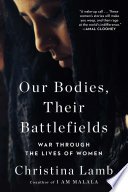
In a narrative that combines personal experience with deep reporting, Freeman details her experiences with anorexiaâthe shame, fear, loneliness and rageâand how she overcame it.
What The Reviewers Say
Casey Schwartz,
The New York Times Book Review
Freeman airs some provocative theories, exploring the idea that anorexia can be seen as a feminist rejection of all the womanly roles girls are expected to assume.
Sally Satell,
The Wall Street Journal
[A] gripping question.
Catharine Morris,
Los Angeles Review of Books
Freeman evokes the mental processes of anorexia extraordinarily well, and her candor will make a great many people feel less lonely. Because she focuses on her own experience in Good Girls, she mentions male anorexia only in passing. But that doesn’t invalidate what she offers at the end of the book—a summation, over two pages, of all the things she wishes we would impress on girls to spare them the sort of misery she went through.
Kate Kellaway,
The Guardian (UK)
At times, there is an oddity about this book, a curious sense of separation between the suffering younger self and the aloof older self, but Freeman is a brave, illuminating and meticulous reporter and uses her experience wisely.





 38
38 95
95