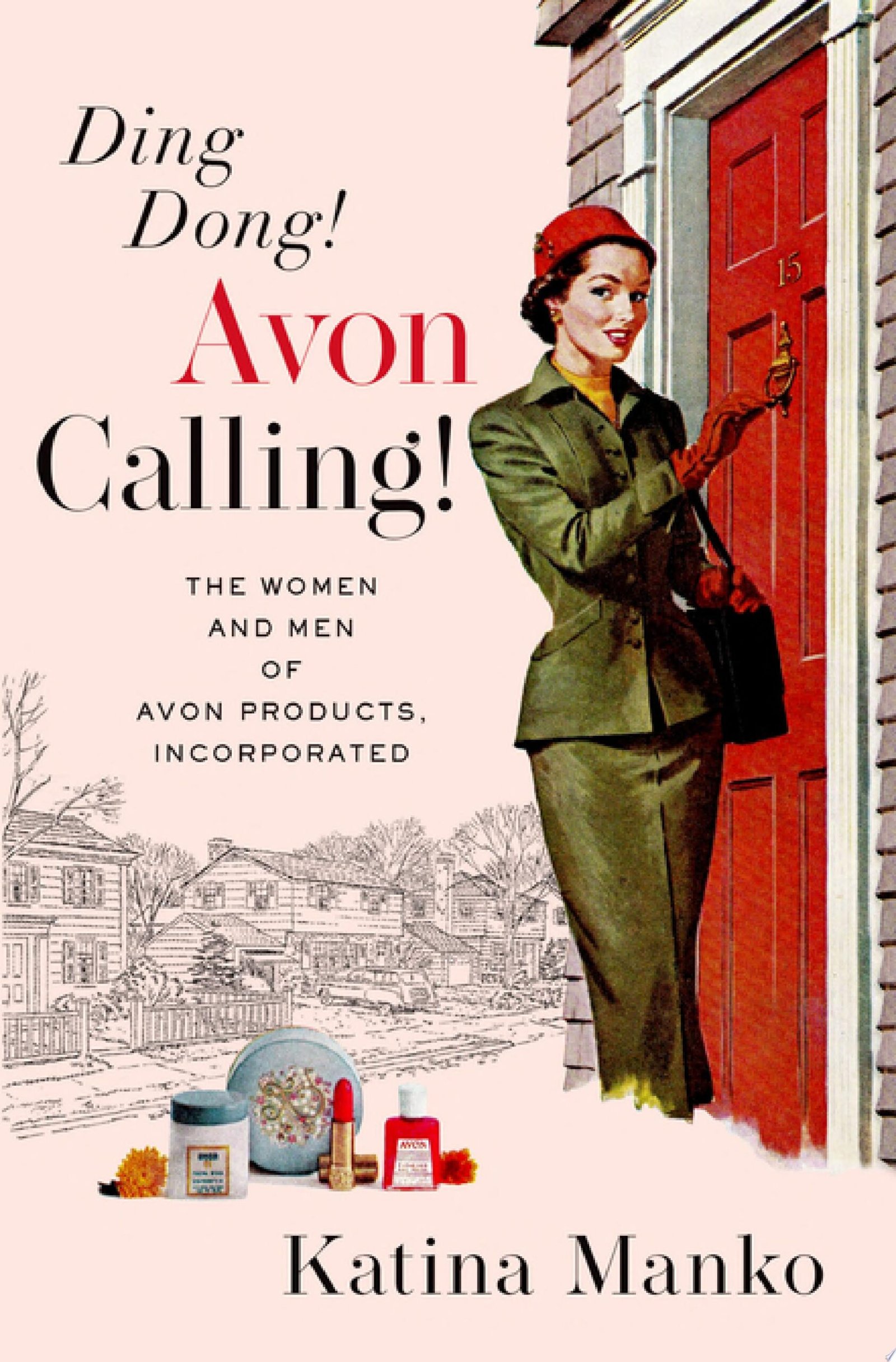
With their distinctive greeting at the homes across the country--Ding Dong! Avon Calling!--sales ladies brought door-to-door sales of makeup, perfume, and other products to American women beginning in 1886. Working for the company enabled women to earn money on the side and even become financially independent in a respectable profession while selling Avon's wares to friends, family, and neighborhood networks. Ding Dong! Avon Calling! is the story of women and entrepreneurship, and of an innovative corporation largely managed by men that empowered women to exploit networks of other women and their community for profit.
What The Reviewers Say
Linda Scott,
The Guardian (UK)
At first glance, some readers may expect Ding Dong! Avon Calling! to be a frothy history of cosmetics. Others might assume that the book will belong on the long list of accusatory treatises about capitalism and the power of beauty advertising to enslave women. Fortunately, Katina Manko’s thoroughly researched and deftly written book on Avon products presents a fresh take on the beauty and fashion industry, one that breaks with and demystifies the cliches of the past.
Ellen Wayland-Smith,
The Wall Street Journal
This is a book born in the archives, and Ms. Manko is meticulous in mining the rich trove of Avon material that, as an independent scholar, she helped to catalogue for the Hagley Museum and Library in Wilmington, Del. In excavating Avon’s history, the author presents a complex weave of documentary evidence, from executive meeting notes to internal newsletters to saleswomen’s private notebooks. At its best, the candid, day-to-day ordinariness of the material offers an intimate glimpse into a bygone era. At times, though, the pages brim with such a profusion of facts and figures that a larger narrative recedes from view.
Judith Evans,
Financial Times (UK)
Manko [...] provides a meticulous chronicle of Avon’s development; I would have welcomed a little less internal detail in her sometimes repetitive account. But it also offers a valuable window into women’s social history and the development of US consumer culture..