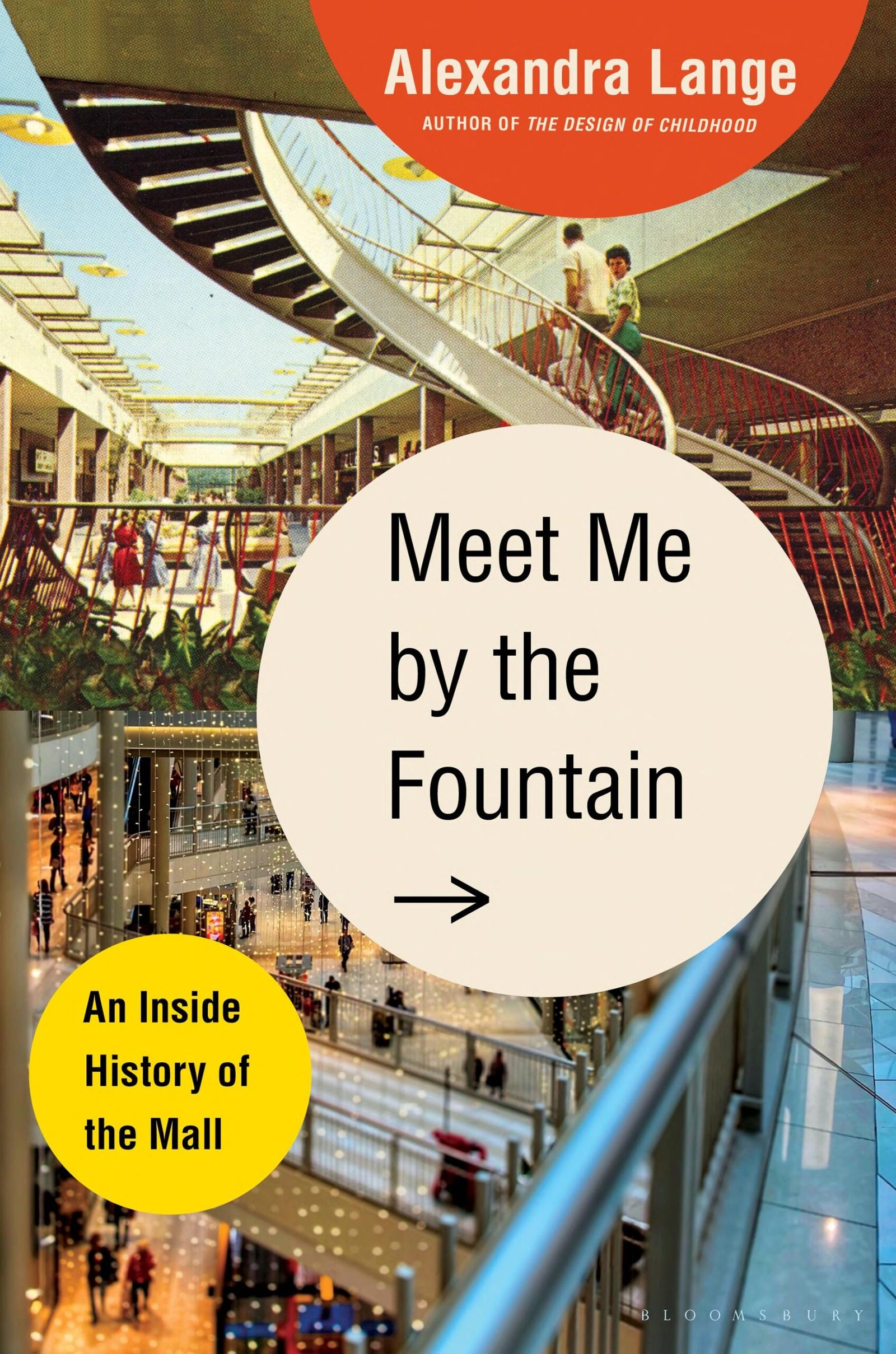
Few places have been as nostalgized, or as maligned, as malls. Since their birth in the 1950s, they have loomed large as temples of commerce, the agora of the suburbs. In their prime, they proved a powerful draw for creative thinkers such as Joan Didion, Ray Bradbury, and George Romero, who understood the mall's appeal as both critics and consumers. Yet today, amid the aftershocks of financial crises and a global pandemic, as well as the rise of online retail, the dystopian husk of an abandoned shopping center has become one of our era's defining images. Conventional wisdom holds that the mall is dead. But what was the mall, really? And have rumors of its demise been greatly exaggerated?
What The Reviewers Say
Carolina A. Miranda,
Los Angeles Times
Lange provides a smart and accessible cultural history — outlining the social, economic and architectural forces that led to the creation of U.S. malls as we know them. But she also looks forward.
Alex Beam,
Wall Street Journal
[Lange] considers the all-too-familiar retail and 'lifestyle centers' to be 'ubiquitous and underexamined and potentially a little bit embarrassing as the object of serious study.' She then proceeds to examine them, thoroughly, seriously and in an engaging fashion.
Molly Young,
The New York Times Book Review
... a well-researched introduction to the rise and fall and dicey future of an American institution.




 37
37