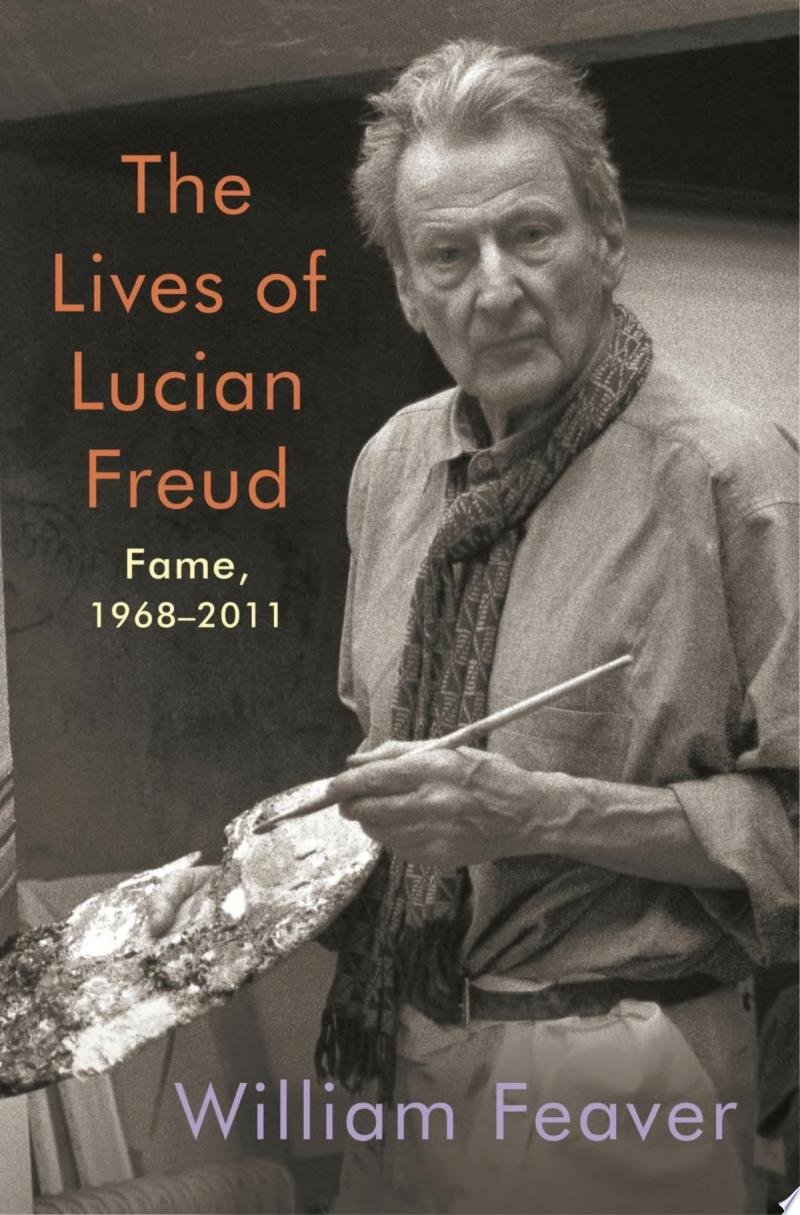
In this second and final volume of the definitive biography of Lucian Freudâone of the most influential, enigmatic and secretive artists of the twentieth centuryâWilliam Feaver, the noted art critic, draws on years of daily conversations with Freud, on his private papers and letters and on interviews with his friends and family to explore the intimate life of Freud, from age forty-five to his death in 2011 at the age of eighty-nine.
What The Reviewers Say
Elizabeth Lowry,
The Guardian (UK)
William Feaver, a friend and collaborator of Freud’s for 30 years, gives us a Lucian who always resisted categorisation.
Maxwell Carter,
The Wall Street Journal
... exemplary.
Dwight Garner,
The New York Times
The critic Kenneth Tynan divided playwrights into two categories, 'smooth' and 'hairy,' and one could probably make a similar distinction among biographers. Smooth biographers offer clean narrative lines, well-underscored themes, and carrots, in the form of cliffhangers, to lure the reader onward. Their books are on best-seller lists. They’re good gifts for Dad. William Feaver, the author of The Lives of Lucian Freud — the second volume, Fame, 1968-2011, is out now — exists on the opposite extreme. There’s little smoothness in him at all. His biography is hairier than a bonobo. Feaver, a longtime art critic for The Observer in London, doesn’t provide a fixed portrait of Freud, the great realist painter, so much as he leads us into a studio filled with crusty brushes, scrapers, half-completed canvases, easels, dirty floorboards, mahlsticks and distilled turpentine, and lets us poke through the detritus as if to assemble a likeness for ourselves.
Michael Prodger,
The Times (UK)
The sheer volume of material garnered and the liveliness of Freud’s speech and orbit mean that the whole project is less like traditional biography than extended reportage mixed with diary entries. This is an account of a life rather than a critical examination of one, and the art history is minimal; the paintings were Freud’s purpose so for Feaver their role is as props that framed his life rather than as objects for critical scrutiny in themselves.